10 Signs a Piece of Clothing Was a Good Idea but a Bad Purchase
That “it seemed perfect in the store” feeling? Here are the 10 telltale signs a piece was a smart idea in theory but a poor choice in reality. Learn to spot these patterns faster and build a closet that actually works for your real life. (148 characters)
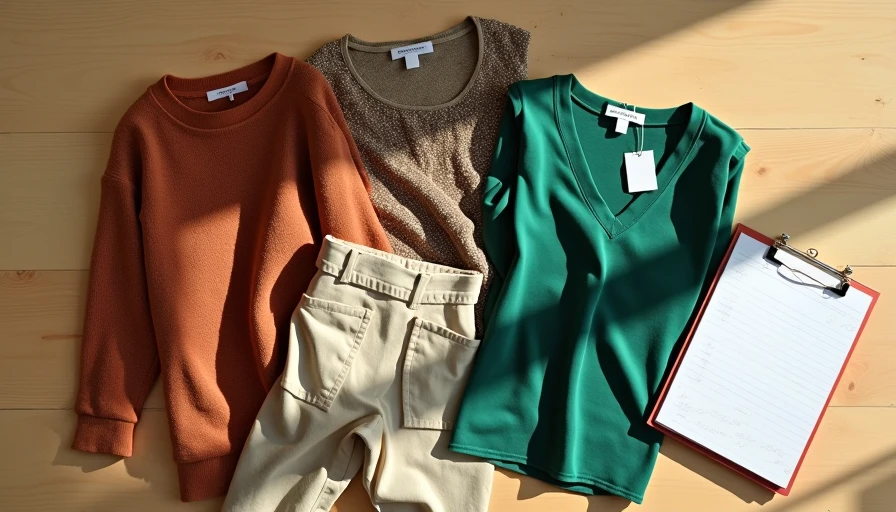
I’ve had my share of closet regret. That beautiful rust-colored sweater that looked artsy on the mannequin but made me look like I was trying too hard. Or the trendy wide-leg pants that were gorgeous standing still but impossible to sit in comfortably for more than twenty minutes.
After years as a visual merchandiser and wardrobe stylist, I can now spot these “good idea, bad purchase” pieces almost instantly. The dangerous part is they’re often beautiful, well-made, and tempting. They just don’t earn their keep in real life.
Here are the 10 most common signs I see in client closets across Charlotte—and in my own during honest audits.

1. It Only Looks Good on the Hanger or in the Photo
This is the biggest red flag. It photographed beautifully or hung perfectly, but once on your body, something feels slightly off. The magic disappears in motion.
Reality check: If it doesn’t look as good on you as it did in the store lighting, it’s probably not for you.
2. You’ve Owned It for Months and Worn It Once (or Never)
The ultimate test: reach frequency. If you wouldn’t reach for it twice, it probably wasn’t worth buying. Beautiful items that stay in the closet are expensive decor, not clothing.
3. It Requires Too Many Adjustments Throughout the Day
Constant tugging, pulling, re-tucking, or repositioning. Good clothes disappear on your body. If you’re thinking about your outfit at 2 p.m., it’s not working hard enough for you.
4. It Doesn’t Play Well with Your Existing Wardrobe
It’s lovely on its own but has no true partners. That statement piece with the unique color or bold pattern that matches exactly nothing else you own.
I once had a client with seven “statement” tops and only two bottoms they actually paired with anything. We edited hard.
5. The Fabric or Construction Fails Real-Life Tests
It pills after two wears, wrinkles horribly when you sit, or loses shape after washing. Beautiful in theory, disappointing in practice.
Pro tip: Test fabrics by bunching them in your hand in the store. If they wrinkle instantly, they’ll do the same in your bag or after sitting at your desk.
6. It Solves a Fantasy Life, Not Your Actual Week
The sequined cami for “all those fancy nights out” that never happen. The structured power suit for the promotion you haven’t gotten yet. The flowy boho dress for weekend getaways that mostly involve soccer games and Target runs.
Be honest about your real calendar.
7. It Makes You Feel Slightly “Off” Instead of Elevated
This one is emotional but important. Some pieces are technically flattering but drain your energy or make you feel inauthentic. Great clothes should make you feel more like yourself, only polished.
8. The Proportion Is Almost Right—but Not Quite
The hem hits at the widest part of your hips. The sleeves are a little too long. The rise is just high enough to feel awkward. These “almost right” pieces are the sneakiest saboteurs because they’re close enough to keep, but never good enough to love.
9. You Bought It on Sale “Just in Case”
The classic justification. “It was 60% off!” doesn’t matter if it doesn’t work with your life. Discounted regret is still regret.
10. You Keep It for Sentimental or Guilt Reasons
The “I spent too much to get rid of it” piece. The “it was a gift” item. The “I’ll wear it when I lose weight” hope garment. These emotional anchors quietly undermine your daily confidence.
How to Spot These Pieces Faster
Next time you’re getting dressed, ask yourself these quick diagnostic questions:
Did I hesitate before choosing this today?
Would I feel excited to pack this for a weekend away?
Does it create at least three solid outfits with what I already own?
How does it feel after four hours of real movement?
If the answers are lukewarm, it might be time for an honest conversation with that piece.
Turning Awareness Into Better Decisions
Recognizing these patterns has dramatically improved my own shopping and my clients’ closets. We now focus on pieces that earn repeat wear instead of ones that spark initial excitement but deliver long-term disappointment.
My husband laughs when he sees me doing these mental audits, but he’s noticed I get ready faster and complain less about my closet. That’s real progress.
The Goal Is a Wardrobe That Works With You
You don’t need fewer clothes. You need fewer wrong clothes. Sharper editing creates space for the right ones to shine.
The next time you’re tempted by something beautiful that checks several of these warning signs, pause. Take a photo. Imagine it in your real Tuesday morning routine. That moment of honesty saves money and mental energy.
Style isn’t about collecting beautiful things. It’s about curating pieces that genuinely support your life and make you feel quietly excellent.
Start by identifying one or two “good idea, bad purchase” pieces this week. Let them go. The relief you feel when your closet becomes more honest is incredibly freeing.
Your mornings (and your confidence) deserve better.