
Curating a Shoe Closet That Serves 80% of Your Wardrobe Needs
Curating a shoe closet that serves 80% of your wardrobe needs means choosing versatile styles that work with most outfits. Here's a practical guide to...
If you have ever stared at a closet full of shoes and still felt like you have nothing to wear, you are not alone. Curating a shoe closet that serves 80% of your wardrobe needs is not about owning fewer shoes—it is about owning the right ones. The idea is simple: pick shoes that work with at least four out of five outfits you reach for, so you stop wasting time on mismatched options. Over the years of styling clients, I have seen the same mistake again and again: buying shoes for a single outfit or a fleeting trend. Instead, focus on shapes and colors that earn repeated wear.
Start With the Silhouettes You Actually Wear
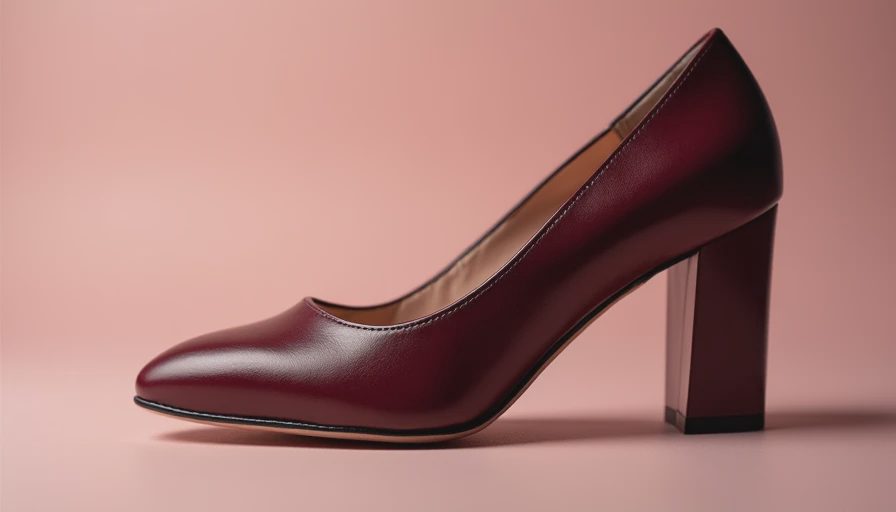
Before you buy a single pair, look at the clothes you grab most often. Do you live in straight-leg jeans and blouses? Then a pointed-toe flat or a low block heel will carry you further than a chunky sneaker. Are you mostly in dresses and skirts? Ballet flats, heeled sandals, and ankle boots become anchors. The trick is to match the shoe silhouette to the hemline and leg line of your core wardrobe. For example, if your go-to pants are cropped wide legs, avoid round-toe shoes that make your feet look stubby. Instead, choose elongated shapes like almond toes or mules. This is where curating a shoe closet that serves 80% of your wardrobe needs starts feeling achievable.
Build Around Three Versatile Color Families
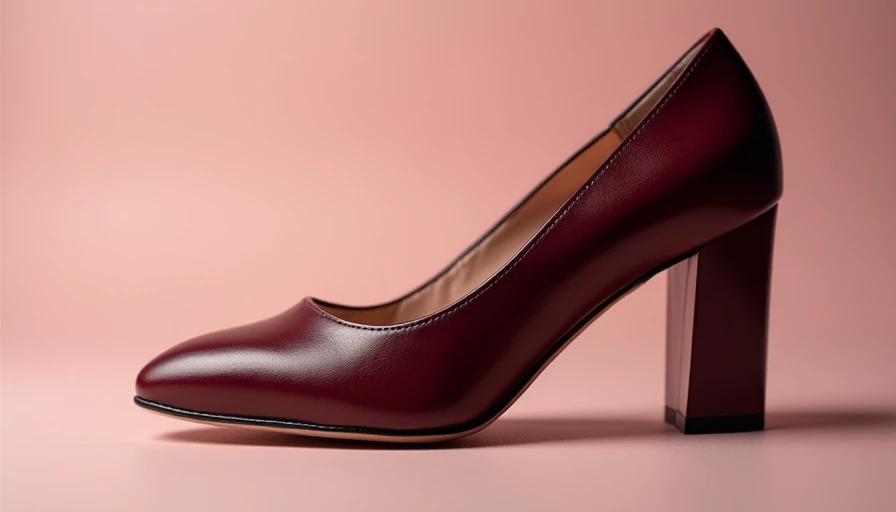
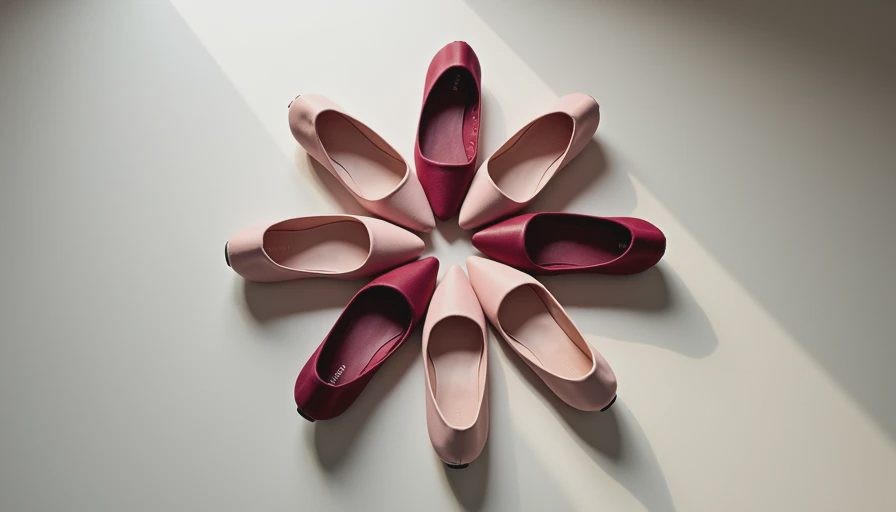
Color is the shortcut to wardrobe integration. Stick to three main color groups: neutrals (black, brown, nude, gray), one accent metal (gold or silver), and one personality shade (like oxblood or olive). Neutrals should make up at least 60% of your shoe collection because they blend with everything. For instance, a nude pump extends your leg line with lighter pants, while a black ankle boot works with dark denim and trousers. The accent metal—say, a pair of gold sandals—adds subtle polish without clashing. And that personality shade? Limit it to one or two pairs at most. When you follow this system, every shoe has a role, and you never feel like you are missing a color.
The 80% Rule in Practice: A Sample Capsule
Here is what a shoe closet built on the 80% principle looks like for a typical professional woman: 1) everyday sneakers (white leather, minimalist), 2) comfortable flats (pointed or almond toe, in leather or suede), 3) low block-heel pumps (black or nude, 2-3 inches), 4) versatile ankle boots (taupe or dark brown, with a slight heel), 5) strappy sandals (neutral, with an ankle strap for security), and 6) one dressier option, like a metallic heel. That is six pairs covering work, weekends, travel, and occasions. You might add a rain boot or a winter boot, but the core stays tight. With this selection, curating a shoe closet that serves 80% of your wardrobe needs becomes a reality because each pair mixes with at least a dozen outfits.
Edit Out the Almost Right Shoes
When you assess your current shoe collection, be ruthless about the almost-right pairs. The shoe that is half a size too big, the heel that wobbles after two hours, the color that does not quite match any handbag—these are the ones that clutter your space and your decision-making. I tell my clients to pull out every pair and ask: Does this work with at least three different bottoms? Does it feel good after three hours of wear? If the answer is no to either, it is time to let it go. Curating a shoe closet that serves 80% of your wardrobe needs means only keeping shoes that pass the repeat test. Your future self will thank you.
How to Test a Shoe Before You Commit
When you are curating a shoe closet that serves 80% of your wardrobe needs, every new pair must pass a simple test before it enters your home. Start with the walk test: put on both shoes and walk around the store for at least five minutes. Does the heel slip? Do your toes feel cramped? If there is any discomfort in the showroom, it will only get worse with wear. Next, try the outfit test: picture the three most-worn items in your closet next to this shoe. If you cannot quickly imagine at least three different looks, put it back on the shelf. Also, check the material: genuine leather and suede tend to mold to your foot and last longer, while cheap synthetics often lead to blisters and short lifespans. Finally, consider the care needs: if a shoe requires dry cleaning or special storage, will you actually maintain it? This four-step test keeps your collection lean and functional.
Final Thoughts
Building a shoe collection that works hard does not happen overnight, but it is worth the effort. Start by identifying your most-worn silhouettes, choosing a simple color palette, and editing out anything that does not earn its keep. Curating a shoe closet that serves 80% of your wardrobe needs is a process, not a purchase. Focus on versatility, and you will find yourself reaching for the same few pairs over and over—and looking more put-together every time.