
If Your Wardrobe Feels Boring, You Probably Have a Combination Problem, Not a Shopping Problem
Your closet isn’t boring because you need more clothes. It’s likely because you’re missing smart combinations. Learn how to diagnose and fix combination fatigue so your existing pieces feel fresh, intentional, and exciting again—without another shopping trip.
I hear it all the time from clients in Charlotte: “My closet is full, but everything feels boring. I just want to buy something new to shake it up.”
Nine times out of ten, the problem isn’t a lack of clothes. It’s a lack of fresh combinations. You’re stuck in the same three rotations, wearing the same pieces the same way, while perfectly good items sit unused.
After years of auditing closets and styling real women, I’ve seen this pattern repeatedly. The solution isn’t more shopping. It’s learning to see your wardrobe differently.
Why We Mistake Combination Fatigue for Boredom
When you wear the same top with the same bottom every week, your brain stops registering it as interesting—even if the pieces are great on their own. It’s not that your clothes are boring. It’s that your pairings have become predictable.
This is incredibly common for busy women in their 30s. You reach for what’s easy and proven. Over time, that creates a mental rut.
The good news? Fixing combination problems is faster, cheaper, and more effective than buying new things.
Signs You Have a Combination Problem
You own nice pieces but only wear about 20-30% of your closet regularly.
Outfits feel “safe” but never exciting.
You stand in front of a full closet saying “I have nothing to wear.”
New purchases get added to the same old rotations instead of expanding them.
You’re tempted to shop when what you really need is creativity with what you own.
One client had a beautiful camel blazer, great white shirts, and solid jeans—but she only ever wore the blazer with black pants to work. Once we started mixing it with her other pieces, her whole wardrobe woke up.
How to Diagnose Your Combination Issues
Try this quick exercise:
List your 10 most-worn pieces.
Write down exactly how you usually style each one.
Look for patterns. Are you always pairing tops with the same bottoms? Always using the same shoes?
You’ll likely discover you’re only using a tiny fraction of possible combinations.
Practical Ways to Create Better Combinations
Mix Your Categories
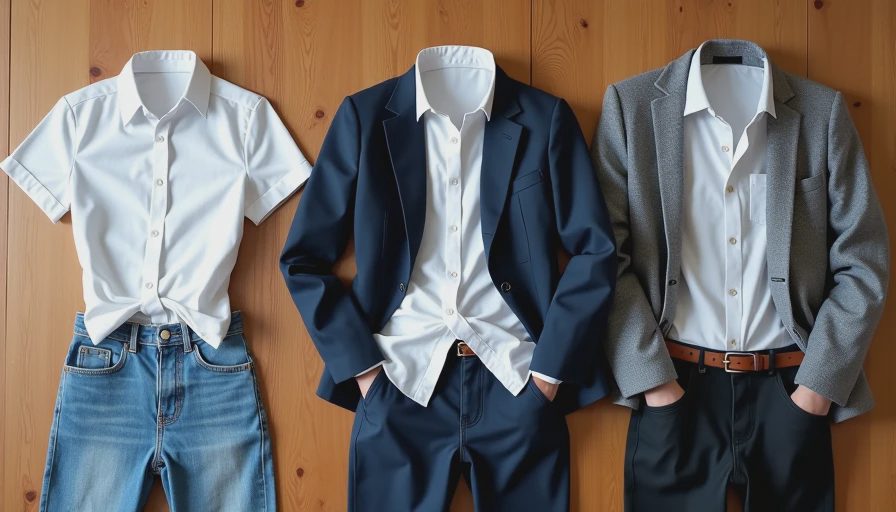
Take your Heavy Lifters and deliberately pair them with Supporting Players you rarely use. That work blazer with weekend jeans. That dressy top with casual trousers.
Play with Proportion
Change the tuck, the layering, the shoe height. A half-tuck versus full tuck can make the same top and jeans feel completely different.
Texture and Tone Experiments
Pair smooth with textured, matte with subtle shine, or different weights in the same color family. A chunky knit with sleek trousers suddenly feels fresh.
The Third Piece Rule
Almost any basic top + bottom looks more intentional when you add a third piece: a blazer, cardigan, vest, belt, or interesting jacket.
Rotate Your Basics
If you have three white shirts, don’t wear them the same way. One half-tucked with jeans, one fully tucked with trousers, one layered under a sweater.
The Outfit Remix Challenge
Pick five outfits you wear often. For each one, force yourself to change at least two elements. Take photos. You’ll be surprised how many new looks emerge.
Real Client Transformations
One busy professional came to me convinced she needed a whole new work wardrobe. We spent 90 minutes remixing what she already owned. By the end, she had 12 new combinations she was excited to wear. No new purchases required.
Another client with a young child thought her wardrobe had to be boring for practicality. We focused on comfortable yet elevated combinations using her existing staples. She now feels stylish and capable instead of stuck in mom-uniform mode.
My Own System for Keeping Things Fresh
I keep a simple note in my phone called “Current Combinations.” Whenever I discover a new pairing that works, I add it. On rushed mornings, I open the list and pick one. This habit alone has prevented a lot of boredom.
My husband, who appreciates systems and order in his landscape designs, often notices when I’m wearing something in a new way. “That looks nice,” he’ll say, unaware I’m just using the same pieces differently.
The Deeper Truth About Boredom
A wardrobe that feels boring usually reflects a lack of attention, not a lack of options. When you start seeing new possibilities in what you already own, shopping naturally slows down. You become more selective because your current clothes are finally working harder for you.
You don’t need more clothes. You need more right combinations.
The goal isn’t a constantly new wardrobe. It’s a wardrobe that feels versatile, useful, and quietly exciting because everything plays well together.
Start This Week
Pick one day and commit to wearing something in a way you’ve never tried before. Document it. Build from there.
Over time, this skill—seeing combinations—becomes one of the most valuable parts of personal style. It saves money, reduces decision fatigue, and makes getting dressed more enjoyable.
Your closet probably already contains the ingredients for a much more interesting wardrobe. You just need to start mixing them differently.
Style isn’t about accumulation. It’s about seeing more clearly what you already have.