The "Almost Right" Items Quietly Undermining Your Closet
Those “almost right” pieces that seem fine but never quite work are silently sabotaging your style and confidence. Learn how to identify them, why they’re so dangerous, and how to edit them out for a calmer, more functional wardrobe.
I can’t tell you how many times I’ve opened a client’s closet in Charlotte and heard, “I know I should get rid of some things, but most of it is… okay.” That “okay” is exactly the problem. The “almost right” items are the sneakiest closet saboteurs because they’re not obviously bad—they’re just never quite good enough.
After years of wardrobe audits and real-life styling, I’ve become convinced that these pieces cause more daily frustration than the clearly terrible ones. They create decision fatigue, dilute your style, and quietly erode your confidence every morning.
Let’s shine a light on them.
What Makes Something “Almost Right”
It’s close but not quite there. The color is almost perfect but slightly off your best shades. The fit is decent but not flattering. The style is wearable but not repeatable. You keep it because it’s not bad enough to donate, but it never becomes a favorite.
These items usually fall into a few predictable categories:
The Most Common “Almost Right” Offenders
1. The Slightly Wrong Color
That pale blush top that’s a touch too yellow for your skin tone. It looks fine in the store but washes you out in real light. You keep it because it’s “close enough,” but you never feel great wearing it.
2. The Almost Perfect Fit
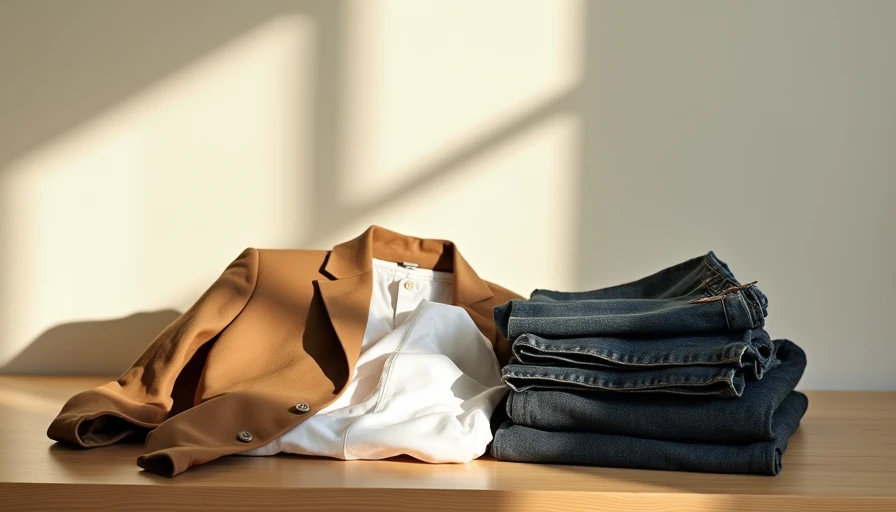
Jeans that are good through the hips but gap at the waist. A blazer with shoulders that are just a little too wide. A dress that’s the right length but slightly baggy in the torso. Close enough to keep… but never confidence-boosting.
3. The Trendy Piece That’s No Longer Fresh
The item you bought during a micro-trend that now looks dated but still technically wearable. It takes up space while offering diminishing returns.
4. The “I Spent Money On This” Piece
You paid a decent amount, so you feel guilty letting it go—even though you reach for it rarely. Sunk cost fallacy in clothing form.
5. The Sentimental But Impractical Item
The gift from a friend, the piece from a memorable trip, or the item from a previous life stage. Emotionally attached but stylistically disconnected.
6. The Filler Items
Basic tees, sweaters, or trousers that do the job but lack quality or personality. They fill space without adding value.
Why “Almost Right” Is More Dangerous Than Obviously Bad
Obviously bad pieces get removed quickly. “Almost right” pieces linger for years, quietly undermining your daily experience. Every time you consider them and then choose something else, you waste mental energy. Over months and years, that adds up to significant frustration.
They also make your stronger pieces look weaker by association. A great blazer paired with an “almost right” top never looks as sharp as it could.
One client had nine “almost right” tops. Once we removed them, her remaining six excellent tops suddenly had room to breathe and she got dressed faster and happier.
How to Identify Them in Your Own Closet
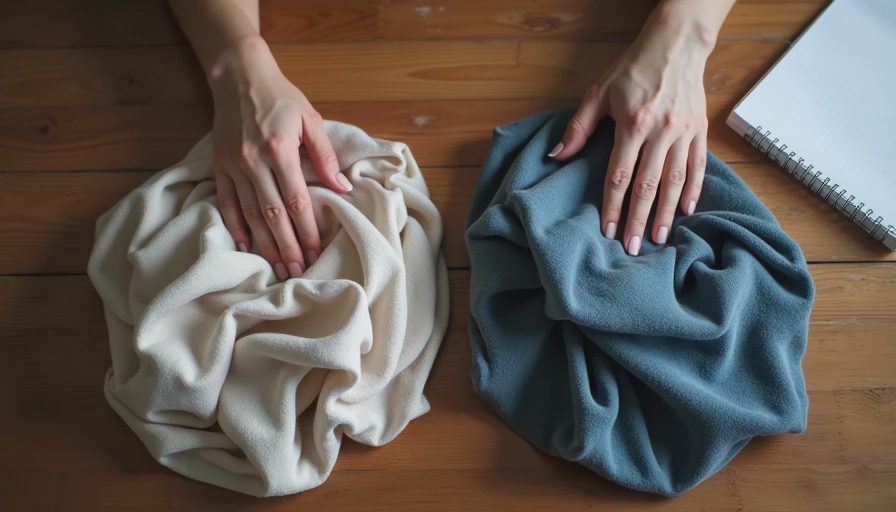
Ask these honest questions:
Have I worn this in the last 90 days?
When I wear it, do I feel truly good or just “fine”?
Would I buy it again today knowing what I know now?
Does it create multiple strong combinations or just one or two awkward ones?
Does it make me feel like the best version of myself?
If the answers are lukewarm, it’s probably an “almost right” piece.
The Edit Strategy That Actually Works
Step 1: The 30-Day Box
Put all suspects in a box. If you don’t miss them or reach for them in 30 days, let them go.
Step 2: The Replacement Mindset
Instead of asking “Should I keep this?” ask “What would actually be better here?” This shifts you from guilt to intention.
Step 3: Be Ruthless With Multiples
If you have three similar “almost right” items, keep only the best one.
Step 4: Alter When Possible, Release When Not
A small hem or dart can sometimes fix an “almost right” piece. But don’t force it—if alterations feel like too much work, release it.
The Freedom on the Other Side
When you remove the “almost right” items, something magical happens. Your closet becomes calmer. Your favorite pieces get worn more often. Getting dressed becomes faster and more enjoyable. You stop settling.
My own closet isn’t perfect, but I’ve become much stricter about these pieces. My husband has noticed I complain less about having “nothing to wear” and seem more confident when I leave the house.
You Deserve a Wardrobe That Supports You
You don’t need a perfect closet. You need an honest one. One where most items are genuinely right for your life, body, and style—not just close enough.
The “almost right” items are stealing joy and confidence from your stronger pieces. Be brave enough to let them go. Create space for the truly right clothes to shine.
Your mornings, your confidence, and your future self will thank you.
If you wouldn’t reach for it twice with genuine enthusiasm, it probably doesn’t belong anymore. That single filter can transform your entire wardrobe.