
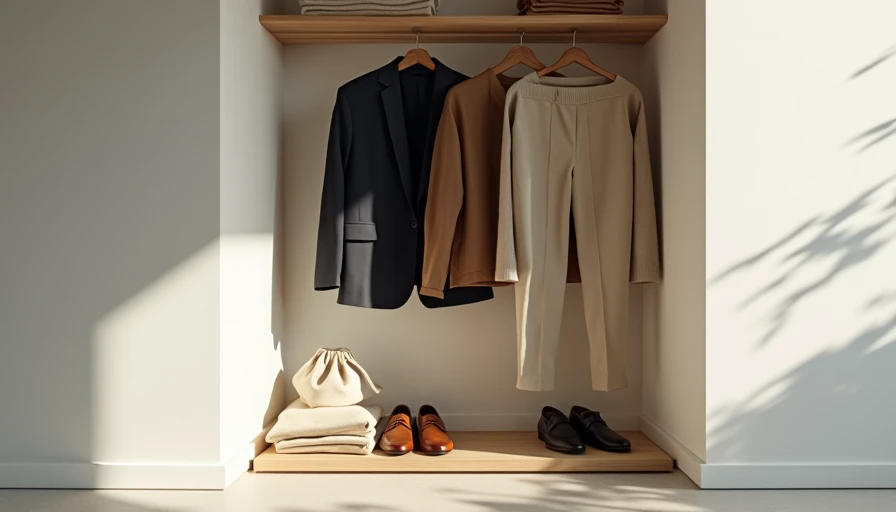
The Closet Audit I'd Give Most Women in 20 Minutes
A practical 20-minute closet audit process that reveals what’s actually working, what’s quietly sabotaging your style, and exactly which pieces deserve to stay. Real talk from years of dressing real women—no overwhelm, just clarity.
I’ve done hundreds of closet audits in Charlotte homes—some in beautiful walk-ins, others in tiny apartments with clothes spilling onto the floor. The one thing they all have in common? Most women already own 70-80% of what they need. They just can’t see it clearly because of the noise.
That’s why I created this fast, no-BS 20-minute closet audit. It’s the same process I use with private clients. No fancy tools. No “throw everything out” drama. Just honest assessment that leads to better decisions and calmer mornings.
If you’re tired of standing in front of a full closet feeling like you have nothing to wear, this is for you.
Step 1: The Quick Purge (4 minutes)
Set a timer. Pull out everything you haven’t worn in the last 12 months. Be ruthless but realistic.
Ask yourself these three questions for each piece:
Would I buy this again today at full price?
Does it fit my current body and lifestyle?
If I saw my friend wearing this, would I think “that looks great” or “hmm”?
I once pulled a gorgeous emerald green silk top from a client’s closet. It still had tags. She admitted she bought it for a version of herself that goes to fancy parties on weeknights—which she hasn’t done in two years.
Signature reality check: If you wouldn’t reach for it twice, it probably wasn’t worth buying in the first place.
Step 2: The Honest Categorization (6 minutes)
Divide your remaining clothes into four piles:
Heavy Lifters – Pieces you wear constantly and feel great in. These are your true staples.
Supporting Players – Good quality items that work well with your heavy lifters.
Almost Right – The dangerous zone. They’re close but something’s off (wrong length, slightly wrong color, poor fit).
Fantasy Pieces – Beautiful but completely disconnected from your actual week.
The “Almost Right” pile is usually the biggest culprit. Those items create decision fatigue because they almost work but never quite do. One client had seven “almost right” blouses in slightly wrong shades of white and cream. Once we removed them, her closet instantly felt more cohesive.
Step 3: The Proportion and Combination Test (7 minutes)
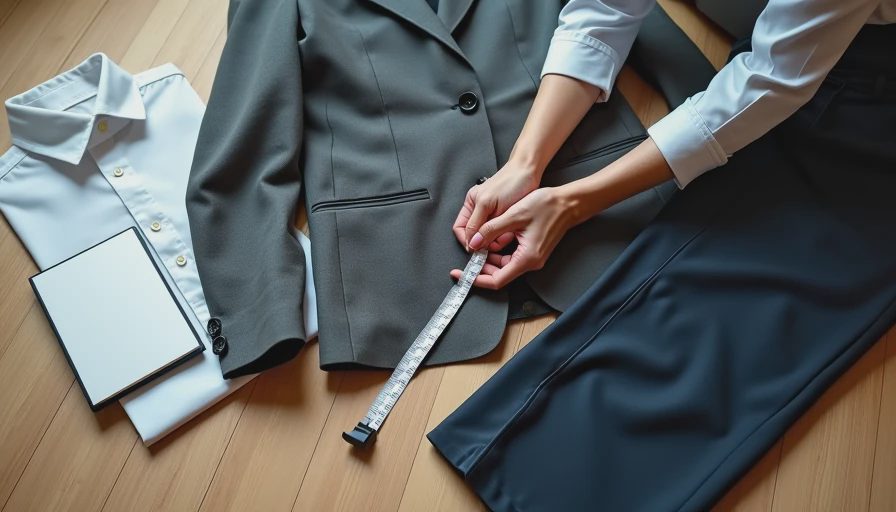
This is where the magic happens. Take your Heavy Lifters and try them on with different bottoms, shoes, and layers.
Stand in front of a full-length mirror (natural light if possible) and ask:
Does this make me look taller or shorter?
Where does the eye go first? (It should go to your face, not problem areas)
Can I move comfortably—sit, walk, reach?
Does this piece earn its space by creating at least 3-4 solid combinations?
I keep a small notebook or notes app during this step. Last month I realized my favorite black trousers looked significantly better with loafers than with flats. Small observation, big impact on future shopping.
Step 4: The Edit and Plan (3 minutes)
Now make decisions:
Heavy Lifters → Keep and protect
Supporting Players → Keep and use more intentionally
Almost Right → Fix (alter), sell, or donate
Fantasy Pieces → Be honest. Keep only if they genuinely spark joy and you have a plan to wear them
Take photos of your best combinations right then. These become your personal reference library.
What I Usually Find in Most Women’s Closets
After doing this with dozens of women in their 30s, clear patterns emerge:
Too many tops, not enough bottoms. We buy cute blouses but neglect good trousers and skirts that actually anchor outfits.
Too many similar items. Seven black sweaters. Five almost-identical striped tees. This creates the illusion of variety when you actually have repetition.
Missing foundational pieces. A great neutral blazer, perfect white shirt, or reliable jeans can unlock everything else.
Wrong weights and textures. A closet full of lightweight summer pieces in April (hello, Charlotte weather) or heavy knits in May.
The emotional stuff is real too. Many women hold onto clothes from a previous life stage—pre-baby, pre-career shift, pre-weight change. Those pieces carry memories, but they often weigh down your current style.
My Favorite Audit Questions
When I open this closet, how do I feel? Calm or overwhelmed?
Which 10 pieces do I wear most? What do they have in common?
What gaps keep me from getting dressed faster?
Which items make me feel like the best version of myself?
One client discovered she felt most confident in structured pieces with a bit of shoulder definition. That single insight changed her entire shopping strategy.
Turning Your Audit Into Action
Don’t stop at cleaning. Create a simple plan:
List the top 5 gaps you noticed
Take “outfit selfies” of your best current combinations
Set a small shopping budget focused only on filling real gaps
Schedule a quarterly mini-audit (10 minutes is enough once you’re practiced)
My own closet isn’t perfect. I still catch myself holding onto pieces longer than I should. But the regular audit habit keeps me honest and my mornings smoother.
My husband laughs when he sees me sitting on the bedroom floor surrounded by clothes and a notebook, but he appreciates when I get ready in eight minutes and actually like what I’m wearing.
The Goal Isn’t a Perfect Closet
The goal is a useful one. A closet that supports your real life instead of complicating it. One where you open the doors and feel calm confidence instead of decision paralysis.
You don’t need a new wardrobe. You need sharper editing.
This 20-minute audit is the fastest way I know to start seeing your clothes more clearly. Try it this weekend. You might be surprised how much better you feel on Monday morning.
And remember: style isn’t about having more clothes. It’s about seeing more clearly what you already own.