
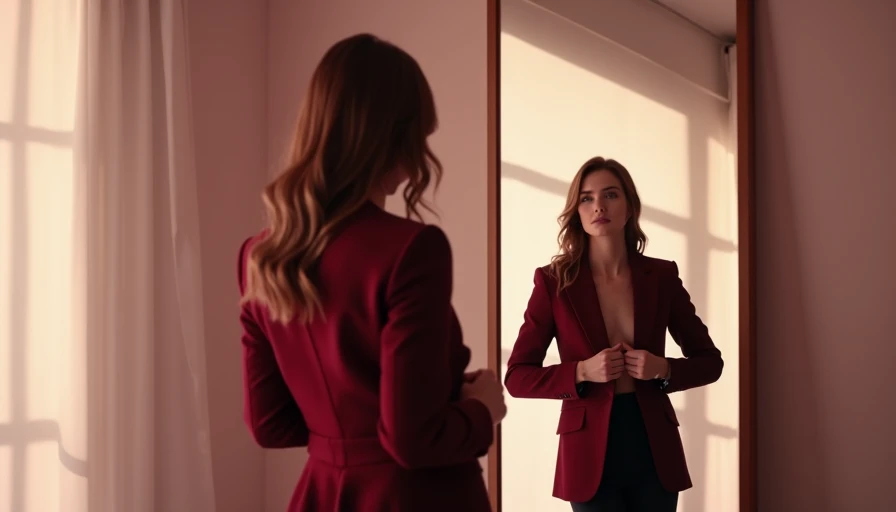
Monochromatic Dressing Formulas for Effortless Polish: 5 Wardrobe-Approved Ways to Wear One Color
Master monochromatic dressing formulas for effortless polish with these 5 simple outfit ideas. Learn how to wear head-to-toe color without looking flat or...
Monochromatic dressing formulas for effortless polish are one of the most reliable ways to look put together with almost no mental energy. When you wear variations of a single color from head to toe, your eye naturally travels down the outfit uninterrupted. That visual flow reads as intentional, polished, and quietly expensive — even if you’re pulling pieces from the budget-friendly end of your closet.
What Makes a Monochromatic Outfit Work
The secret isn’t matching shades perfectly; it’s using contrast through texture and proportion. A chunky knit in oatmeal paired with smooth wool trousers in the same tone creates depth without breaking the color story. The goal is to look deliberately pulled together, not like you grabbed the first thing off the rack. Start with a neutral you already love — taupe, charcoal, ivory, navy — and build slowly.
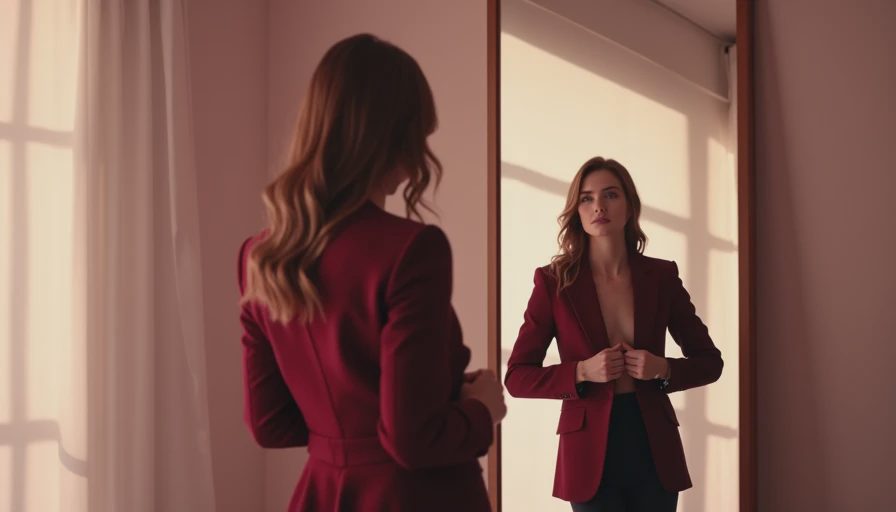
Formula 1: Start With a Neutral Spectrum
Pick one neutral and wear its lightest and darkest versions together. For example, a cream silk blouse with brandy leather trousers and latte-colored ankle boots. The range from light to dark keeps the eye moving, making the outfit feel composed rather than flat. Monochromatic dressing formulas for effortless polish work especially well with earth tones because they naturally mimic the variation found in nature.
Formula 2: Play With Texture, Not Just Shade
When the color is uniform, texture becomes the hero. Try a ribbed cashmere turtleneck with fluid satin trousers and a structured wool coat — all in the same dove gray. The contrast between soft, shiny, and matte fabrics adds richness without adding more colors. This is where monochromatic dressing formulas for effortless polish really shine: they prove that repeating a single color can look anything but boring.
Formula 3: The All-White Uniform
Good white pieces are worth investing in because they instantly read as fresh and intentional. Layer a crisp white button-down under a white crewneck sweater, then add cream wide-leg trousers and white leather sneakers. The slight off-white of the sweater versus the bright white of the shirt creates the needed contrast. This formula works year-round and is especially easy to pack for travel.
Formula 4: Tonal Denim for Everyday Wear
Denim in the same wash — like a medium-blue jacket, faded blue jeans, and a chambray top — creates a casual monochromatic look that feels current without trying too hard. Keep the accessories in a similar blue family, like a navy crossbody and silver jewelry. These monochromatic dressing formulas for effortless polish take the guesswork out of weekend dressing.
Formula 5: Let Accessories Anchor the Color Story
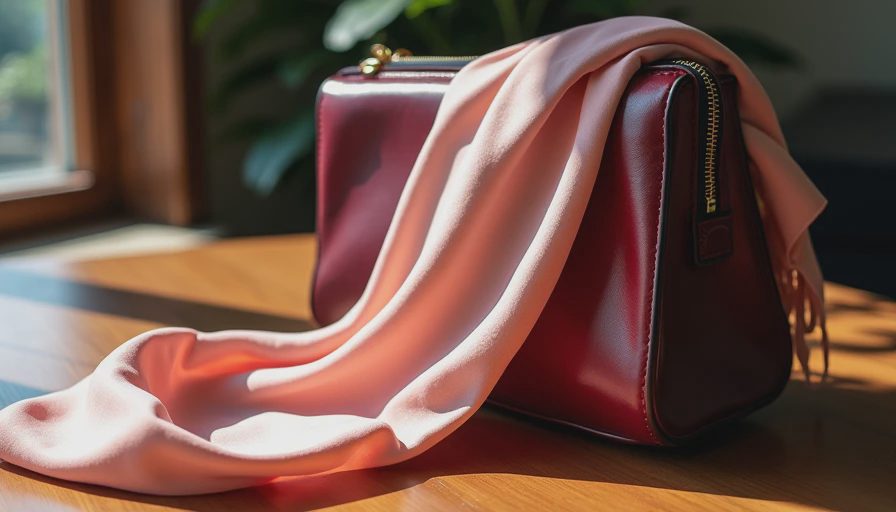
If head-to-toe color feels like a stretch, anchor the outfit with accessories in a single hue. Wear a burgundy handbag, burgundy loafers, and a burgundy belt with a black dress or navy suit. The repeat of the same color across accessories ties the whole look together without requiring you to own a matching top and bottoms. It’s the easiest entry point into monochromatic dressing.
Making It Your Own
The beauty of monochromatic styling is that it simplifies getting dressed immediately. You don’t have to wonder if your shirt and pants go together, because they’re already in the same color conversation. Start with one formula this week, see how it feels to move through your day in a single color story, and build from there. If you wouldn’t reach for it twice, it probably wasn’t worth buying — but monochromatic formulas tend to earn repeat wear because they always look considered.
Quick Checklist: Your First Monochromatic Outfit
Building a head-to-toe color look is easier when you follow a structured approach. Here is a practical checklist to guide your first attempt.
Choose a hero color that appears frequently in your wardrobe. If your closet has multiple black tops and black bottoms, black is your best starting point. The same goes for navy, gray, or camel. Once you pick the color, select three items in different shades of that color. For instance, a pale heather gray sweater, a medium gray wool blazer, and charcoal gray trousers. The range from light to dark creates visual interest and prevents the outfit from looking flat.
Next, pay close attention to texture. Pair a ribbed knit with a smooth satin fabric or a matte cotton with a shiny leather shoe. The contrast in surface feel adds depth when the color remains constant. This is a core principle of monochromatic dressing formulas for effortless polish: texture does the work that color normally does.
Then, keep accessories minimal. A bag and shoes in the same color family as your outfit — perhaps a darker shade — will anchor the look without introducing a competing hue. Avoid adding a bright belt or scarf unless you want a intentional pop of contrast.
Finally, check the proportions. Since the eye follows the line of your outfit without color breaks, the silhouette becomes more important. A wide-leg pant with a slim top, or an oversized coat over a fitted dress, creates a balanced shape.
After your first successful monochromatic outfit, you will see how easy it is to replicate. Each time you try a new color, the process becomes faster.