How to Edit Your Closet for Body Changes in Your 30s
Learn how to edit your closet for body changes in your 30s with this practical guide. Save money and feel great in clothes that fit now.
If you're in your 30s, you've probably noticed that your body isn't exactly the same as it was in your 20s. Learning how to edit your closet for body changes in your 30s can save you money, frustration, and a lot of "nothing to wear" mornings. This isn't about buying a whole new wardrobe—it's about being honest with what fits and flatters now. Your body has shifted, and your clothes should reflect that, not fight it.
1. Do a Brutally Honest Fit Check
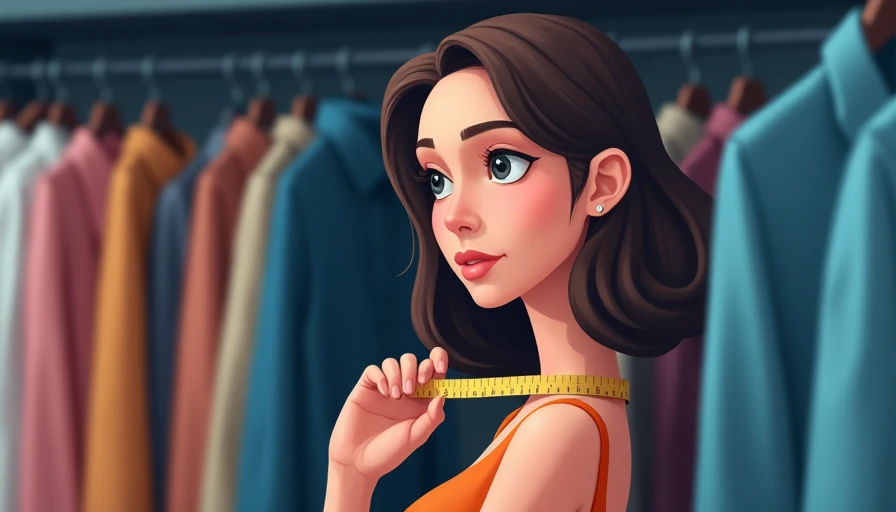
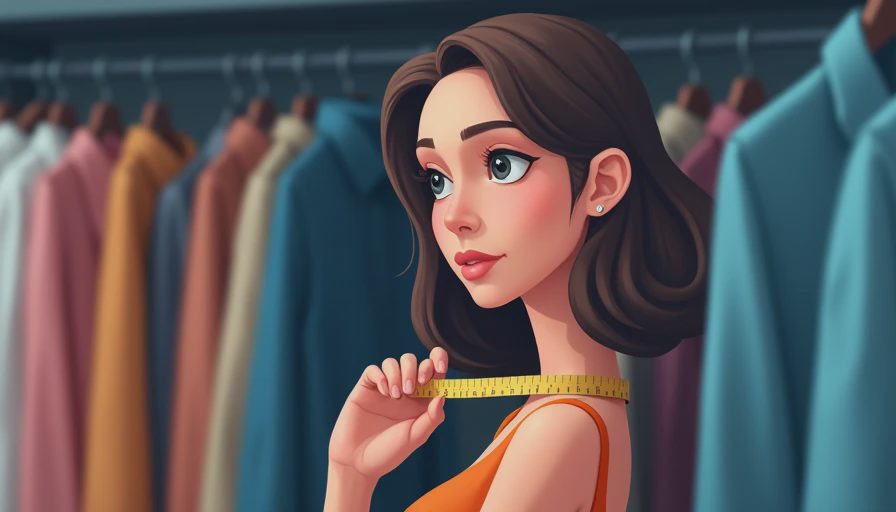
Set aside an hour, take everything off hangers and out of drawers, and try on each piece with a full-length mirror. Pay attention to where things pull, sag, or gap. That button-down that buttons fine but strains at the bust? It's not a keeper. Those jeans that are comfortable but baggy at the knees? Unless they're intentionally relaxed, let them go. Check for stretched-out necklines, thin fabric, or pilling—signs the item has reached its end. If your favorite black trousers now gap at the waist, it's time to say goodbye. The goal is to keep only what fits your current shape comfortably and makes you feel put-together. If you wouldn't reach for it twice, it probably wasn't worth buying. Be ruthless—you'll thank yourself later.
2. Focus on Proportion, Not Size
One of the biggest lessons in how to edit your closet for body changes in your 30s is learning to ignore the number on the label. Size tags vary wildly between brands, and your body's proportions have probably changed—maybe your waist is less defined, or your shoulders are broader from strength training. Instead of fixating on size, look at how items hang on your body. A top that hits at the wrong point can make you look wider; pants that sit too low can create a muffin top. Edit with an eye for proportion first. When you try on, ask yourself: does this emphasize my waist, balance my hips, or lengthen my legs? If the answer is no, it's probably not doing you any favors. I've seen women keep a shift dress that technically fits but makes them look boxy because it cuts straight across the widest part of their hips. A belt or a different silhouette could fix it, but sometimes it's better to let it go and find something with built-in shape. A high-rise pant with a tucked-in blouse can completely change how polished you feel.
3. The Add-Back List
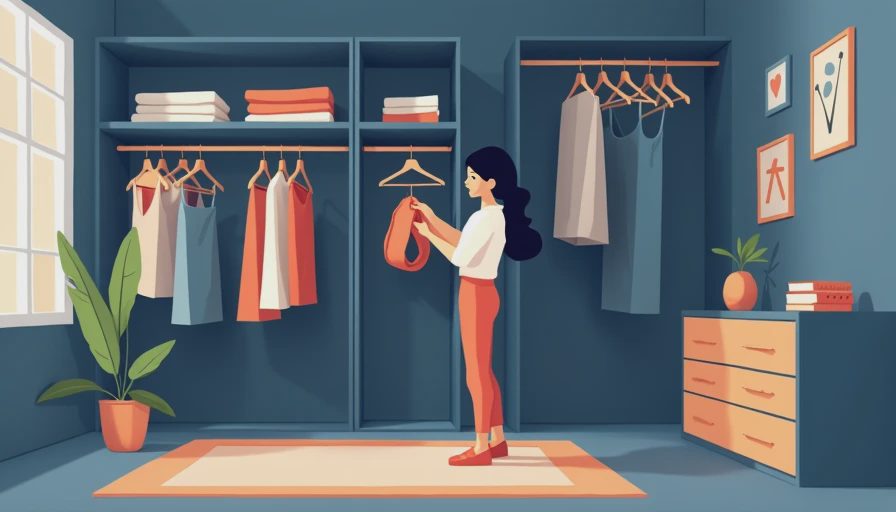
Editing is as much about what you bring in as what you take out. After you've purged, make a list of what's missing. Common gaps for women in their 30s: a stretch ponte pant that holds its shape all day, a soft blazer that works with jeans and dresses, a knit that skims rather than clings, and at least one pair of jeans with a touch of stretch. These pieces make getting dressed easier and more comfortable. They also tend to earn repeat wear because they work with your body as it is now. For example, if you've gained weight around your midsection, a faux-wrap top can create a waistline where you might not have one. If your hips have widened, an A-line skirt gives you room without adding bulk. Consider adding a pair of well-fitting ankle boots—they work with trousers, skirts, and jeans. Also, a soft cardigan that doesn't add bulk at the shoulders can be a lifesaver for fluctuating temperatures. The add-back list is essential to how to edit your closet for body changes in your 30s. You don't need many pieces—just the right ones. Invest in good basics that fit now, not later.
4. Let Go of the "Someday" Pile
This is the hardest part. Those jeans from five years ago that you swear you'll fit into again? They're taking up mental space. Women in their 30s often hold onto clothes from a previous body stage—pre-baby, pre-weight loss, pre-stress eating. It's natural, but it crowds out pieces that work now. Acknowledge that those clothes served you in a different season, but now they're just taking up space you could fill with pieces that fit your current life. A good rule: if you haven't worn it in a year and it doesn't fit, donate it. You can always buy something new when your body changes again, but today's wardrobe should serve today's body.
5. Maintain With a Seasonal Quick Edit
Once you've done the big edit, make it a habit. Every three months, pull out a few key pieces and re-evaluate. Bodies change gradually, and a seasonal check catches small shifts before they become a closet full of "almost right" items. Set a calendar reminder for the first Saturday of each season. That way, the edit doesn't feel overwhelming. Keep a box for donations handy, and don't let sentimentality override practicality. Doing a seasonal quick edit ensures your closet stays aligned with your body, which is the ultimate goal of how to edit your closet for body changes in your 30s. Your closet should be a reflection of who you are now, not who you were five years ago.
If you take only one thing from this guide, let it be this: editing your closet is an act of self-respect. You deserve clothes that fit, flatter, and make your daily life easier. So go ahead—clear out the noise and make room for the pieces that actually work for the woman you are today. And if you need a reset, start with just one drawer—the momentum will carry you.