How to Judge Fabric, Fit, and Finish Without Pretending to Be a Fashion Expert
No fashion degree required. Learn simple, practical ways to assess fabric quality, fit, and construction details so you make smarter buys that last and look better in real life. Insider tips from years on the sales floor and in fitting rooms.
I’ll never forget watching a woman in the department store confidently buy a “silk” blouse that was actually polyester, only to return it two weeks later when it looked sad after one wash. She wasn’t lacking taste—she just didn’t know what to look for.
After years dressing floors and styling real women in Charlotte, I’ve learned that you don’t need technical fashion knowledge to shop smarter. You just need a few reliable checks anyone can do in the store or online. These simple habits have saved my clients (and me) from countless regret purchases.
Why Most of Us Skip the Judgment Step
We fall in love with the color or the way something drapes on the model, then buy on emotion. Later we’re disappointed when it doesn’t hold up or fit quite right in real life. Learning to judge fabric, fit, and finish turns shopping from gambling into strategy.
Fabric: How It Feels, Behaves, and Lasts
Run these quick tests in the fitting room or store:
The Touch and Bunch Test
Crush a handful of fabric in your fist for 10 seconds, then release. Good fabrics bounce back with minimal wrinkling. Cheap ones stay crumpled. This is especially useful for linens, cottons, and blends.
The Light Test
Hold the garment up to light. Quality fabrics have nice weight and opacity. Thin, cheap fabrics show every seam and often look translucent in unfortunate ways.
The Weight Check
Heavy doesn’t always mean better, but good staples (trousers, blazers, knits) should feel substantial, not flimsy. A lightweight T-shirt is fine; a lightweight blazer usually isn’t.
Real-World Favorites
Wool blends or good synthetics for blazers (they hold shape)
Cotton with a bit of stretch for shirts (comfort + polish)
Mid-weight denim with some structure for jeans that don’t bag out at the knees
I always tell clients: If it feels cheap in your hand, it will probably look cheap after a few wears.
Fit: The Difference Between “Cute” and “Yours”

Fit is where magic (or disaster) happens. Focus on these areas:
Shoulders First
This is the most important part of any top, jacket, or dress. Shoulders should sit exactly where your shoulders end. Too wide makes you look sloppy. Too narrow pulls and feels restrictive.
Waist and Hip Balance
Does it skim or cling in the right places? A slight break at the waist (even on straight cuts) creates a polished shape. Avoid anything that cuts you off at the widest part of your hips.
Sleeve and Hem Length
Sleeves should hit at the right spot on your wrist bone for blouses, or allow comfortable rolling for casual pieces. Trousers should break cleanly over your shoe or hit at the ankle bone for crops.
The Sitting Test
Always sit down in the fitting room. If it pulls across the thighs, gaps at the waist, or rides up, it won’t work for real days.
Pro move I learned on the floor: Turn around and look at the back view. Many women only check the front.
Finish: The Details That Separate Good from Great
These small construction elements make a big difference in how long something looks expensive:
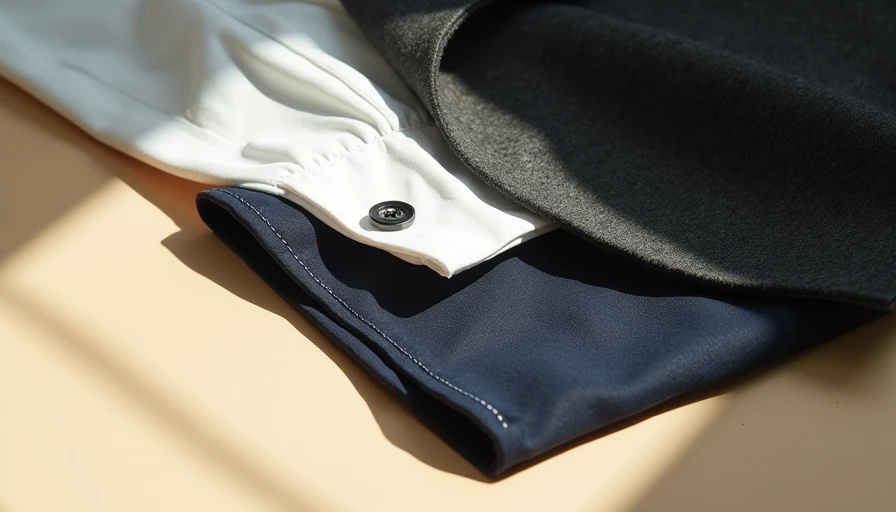
Seams and Stitching: Even, straight, and not puckered. Quality pieces often have reinforced stress points.
Hems: Blind hems on trousers and skirts look cleaner than obvious machine stitching.
Buttons and Buttonholes: Secure buttons that don’t dangle. Well-finished buttonholes.
Linings: A good blazer or coat has smooth lining that allows easy movement.
Hardware: Zippers that glide smoothly. Snaps and hooks that feel solid.
You don’t need to inspect like a tailor. Just run your hands over the details. If something feels rushed or sloppy, it probably is.
My Simple In-Store Checklist (30 Seconds)
Touch and bunch the fabric
Check shoulders and overall proportion in the mirror
Sit down and move
Quick scan of seams, hems, and hardware
Ask: Will I reach for this twice in my real life?
If it passes most of these, it’s usually a keeper.
What Changed My Own Shopping Habits
Early in my career I bought too many “pretty but poorly made” pieces. Once I started applying these checks consistently, my closet became calmer and more useful. My husband notices I return far fewer things now and look more consistently polished with less effort.
Building Taste Without Snobbery
Judging quality isn’t about being elitist or only buying expensive things. It’s about respect—for your money, your time, and your closet. A well-made $80 shirt that lasts three years beats a $30 one that falls apart in months.
You don’t need to become a fabric expert. You just need to slow down for a minute and use your senses. Your hands and eyes are more knowledgeable than you think.
The women who look effortlessly put-together aren’t necessarily spending more. They’re simply better at choosing pieces that work harder for them.
Next time you shop, try these checks. You’ll start seeing clothes differently—and making decisions you actually feel good about weeks and months later.
Because great style isn’t about knowing every technical term. It’s about learning to see clearly what will serve you in real life.
You don’t need more clothes. You need sharper judgment when buying them.