How to Mix High Low Fashion Pieces Without Looking Disjointed
Learn how to mix high low fashion pieces without looking disjointed. Practical tips for combining budget finds with investment items for a polished...
How to Mix High Low Fashion Pieces Without Looking Disjointed
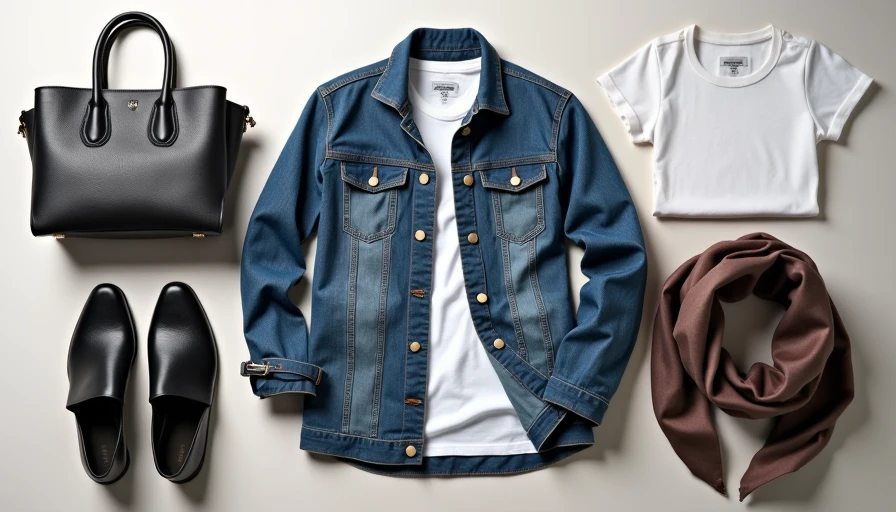
If you’ve ever wondered how to mix high low fashion pieces without looking disjointed, you’re not alone. The look you’re after is effortless and pulled-together, but the reality of pairing a $20 Target tank with a $400 blazer can feel like a gamble. The good news is that it works — when you follow a few straightforward rules. These are the same principles I used as a visual merchandiser and now as a stylist for real women with real closets. They’re about proportion, texture, color, and restraint, not budget. Here’s how to make it seamless.
Start With One Hero Piece
Every outfit needs an anchor. When you’re mixing high and low, that anchor should be the most expensive or statement piece. It could be a tailored wool coat, a pair of designer shoes, or a silk blouse. Build everything else around it. For example, a $300 cashmere sweater from Everlane can hold its own against a $40 pair of jeans from Gap. The hero piece sets the tone, and the cheaper items become supporting players. If you try to make two investment pieces the focal point, the outfit can feel competitive rather than cohesive.
Keep Proportions in Check
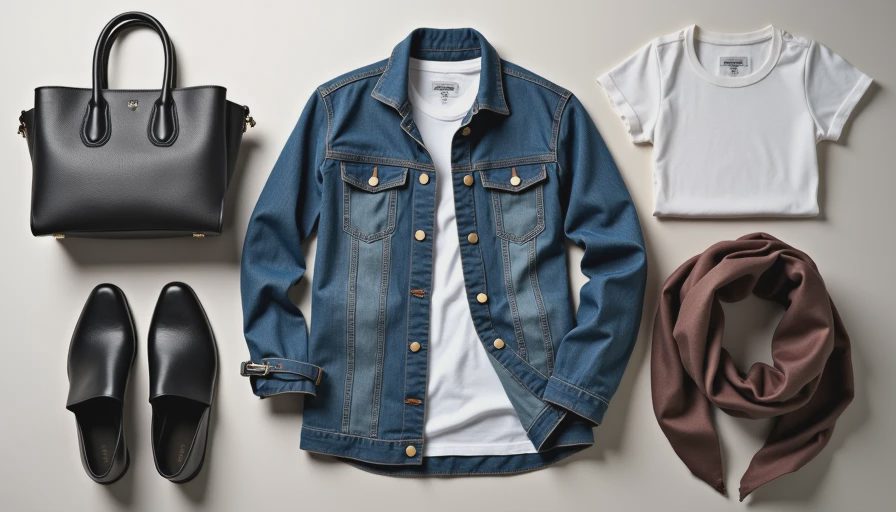
The biggest reason high-low outfits look disjointed is proportion mismatch. A cheap, oversized top with a cheap, oversized bottom looks sloppy; an expensive, tailored jacket over expensive, skinny jeans can look stiff. The trick is contrast. Pair a fitted, high-quality top with looser, budget-friendly trousers. Or wear an oversized, thrifted blazer with sleek, mid-priced leggings or straight-leg jeans. When one piece is structured and the other is relaxed, the eye doesn’t focus on price tags. It sees balance instead.
Pay Attention to Fabric and Finish
Fabric is the quickest giveaway of cost. A $15 polyester blouse reads differently than a $50 cotton-linen one, even if both are fast fashion. When you’re mixing high and low, keep the lower-priced pieces in fabrics that don’t scream “cheap.” Think thick cotton, sturdy denim, or ponte knits. Avoid shiny synthetics, thin knits that pill, and obvious lining that shows. If your low piece is a $30 tee from Uniqlo, make sure it has a substantial feel. The high piece can be anything — the contrast actually elevates the whole look — but the low piece has to hold its own visually.
Use Color as a Unifying Thread
A cohesive color palette is the easiest way to blend different price points. If your high piece is a neutral — say, a camel trench coat or a black leather handbag — then wearing similar tones in your low pieces (beige chinos, charcoal tee) makes the outfit read as intentional. Monochromatic outfits are especially forgiving. You don’t need to match exactly; a warm gray blazer with heather gray joggers reads as deliberate. Save bold prints and bright colors for your least expensive pieces — that way if the trend fades, you’re not out much.
Limit Your Mix to Two Price Points Per Outfit
You don’t need three or four tiers of expense in one look. Most stylish high-low outfits have exactly two levels: one investment piece and everything else from a lower tier. For instance, that $500 blazer works best with a $30 tee and $80 jeans. If you add a $200 bag and $300 shoes, you’ve moved into all-high territory, which defeats the purpose. The contrast disappears. Stick to one hero piece and let the rest be sub-$100 (or whatever your budget defines as “low”). This keeps the outfit grounded and stops you from overthinking.
Don’t Skimp on Fit and Tailoring
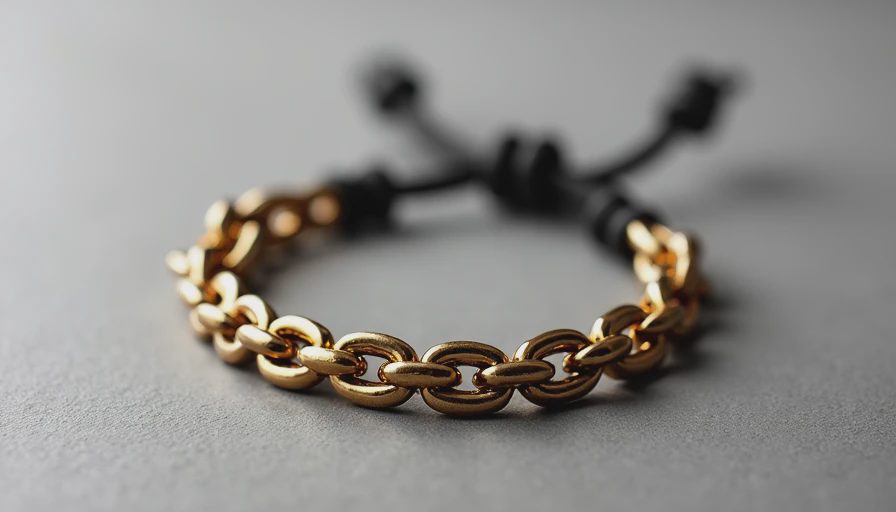
Fit is the great equalizer. A $25 blazer from a thrift store that’s been tailored to your shoulders looks more expensive than a $300 off-the-rack blazer that’s too long. If you’re mixing high and low, invest in alterations for your high pieces (they deserve it) and also for your low pieces if they’re close to perfect. Hemming pants, taking in a waist, or shortening sleeves costs $10–20 and can make a $40 pair of trousers look like $200. A well-fitted outfit never reads as cheap, regardless of where each piece came from.
Transition Your High-Low Look from Day to Night
One of the best ways to get more mileage out of high-low outfits is to adapt them for different occasions. A look that works for brunch can easily go to dinner with a few swaps. Start with your hero piece — say, a designer leather jacket. Pair it with a cheap cotton t-shirt and mid-priced jeans for daytime. To transition, swap the tee for a silk camisole (also a low price point if you shop sales) and change sneakers for heeled ankle boots. You haven’t changed the hero or the jeans, but the overall feel shifts from casual to evening-worthy. The key is to keep the same high-low ratio: one investment piece, everything else affordable. Adding a statement necklace or a clutch bag from a fast-fashion brand can further update the vibe. This approach works because the foundation remains consistent — the high piece anchors the look, while the low pieces adapt to the setting. Practice this with a few outfits, and you’ll see that learning how to mix high low fashion pieces without looking disjointed also helps you stretch your wardrobe.
The Final Check: One Mirror Before You Leave
Before you head out, look in a full-length mirror and ask one question: Does anything feel off? If a sleeve is bunching oddly, or a hemline hits at an awkward spot, fix it. Often the “disjointed” feeling comes from a small fit issue, not the price discrepancy. Mastering how to mix high low fashion pieces without looking disjointed is mostly about training your eye to see the whole silhouette. Over time, it becomes second nature. Start with the tips above, and you’ll find that your favorite outfits often end up being the ones that blend a thrifted bargain with a well-loved classic.