Practical Belt Styling Tips That Improve Proportions Instantly
Master practical belt styling tips that improve proportions instantly. This guide shows exact placement, widths, and tricks to make your outfits look...
If you’ve ever felt like an outfit was just slightly off, the fix might be simpler than you think. **Practical belt styling tips that improve proportions instantly** can change how a shirt, dress, or pair of pants sits on your body — often without buying a single new piece. The problem is rarely the item itself; it’s the proportion. A well-placed belt creates visual boundaries that your eye reads as length and balance. It’s one of those tricks that looks obvious once you see it, but most women either skip it entirely or use it the wrong way. Let’s fix that.
Why Belts Are the Ultimate Proportion Fix
The reason a belt works so well is that it breaks your silhouette into deliberate segments. Without a belt, a looser top or dress can make you look swallowed up or shapeless. By cinching at your natural waist — or where you want your waist to read — you immediately create a clear top and bottom. This is especially helpful if you’re shorter-waisted or have a straight torso. A belt signals where your waistline is, and your eye fills in the rest. That’s why **practical belt styling tips that improve proportions instantly** are about placement, not just fashion.
Where to Place the Belt for Maximum Lengthening
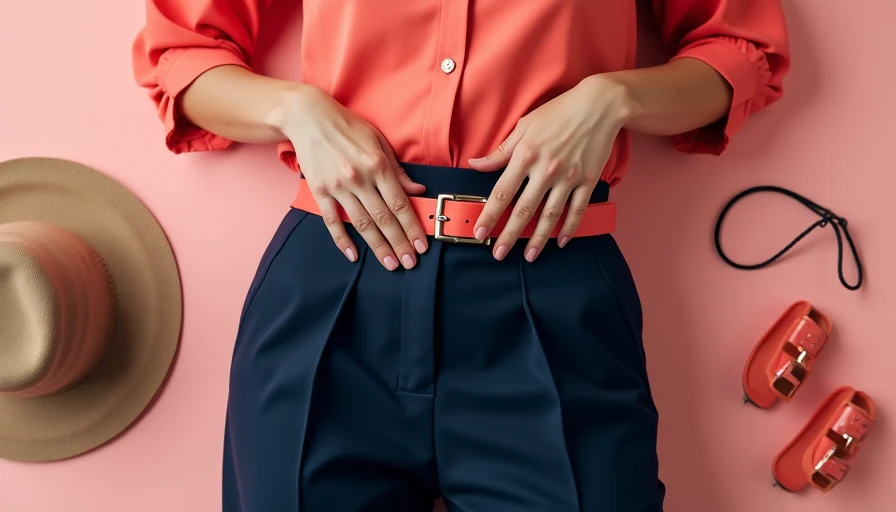
Rule number one: don’t put the belt at your actual waist if you want longer legs. For most women, the most flattering spot is about an inch above your belly button — this creates the illusion of a longer lower half. If you’re petite, even half an inch higher makes a difference. On high-waisted jeans or trousers, let the belt sit at the band’s top edge; don’t pull it down. This keeps the visual line clean. For a dress, try placing the belt just under your ribcage rather than at your hip. The result is an instantly taller silhouette without any tailoring.
Choosing the Right Belt Width for Your Torso
Belt width changes how your proportions read. A wide belt (2.5 inches or more) shortens the torso because it takes up more visual space; it’s better if you have a long ribcage and want to bring the waistline up. A thin belt (under an inch) is more subtle and works on everyone, especially if you’re adding it to a print or busy fabric. Medium widths (1.5 to 2 inches) are the safest for most body types — they define without dominating. The key is to match the belt’s weight to your outfit’s fabric. A stiff leather belt on a floaty silk dress looks jarring, while a soft woven belt feels natural.

Using Belts to Reshape Dresses and Blazers
An open blazer or cardigan can make you look wider than you are. Adding a belt — either over the blazer or on the dress underneath — pulls everything in and creates a defined waist. This is one of the most effective **practical belt styling tips that improve proportions instantly** because it takes a shapeless layer and gives it structure. For a blazer, choose a belt that’s slightly thinner than the lapel width. For a shift dress, a wide belt worn at the smallest part of your ribcage can turn a sack silhouette into an hourglass. Always belt over the fabric, not under it, to keep the line crisp.
Belt Styling for High-Waisted Bottoms
High-waisted pants and skirts already do half the work. But if you tuck in a top, the belt becomes the finishing touch. For these bottoms, keep the belt simple — a thin leather or chain belt works best. Avoid huge buckles that add bulk at your midsection. The goal is to emphasize the high waist, not compete with it. If you’re wearing a crop top or a fitted sweater, you can go a little wider, but still stay under 2 inches. And always match the belt metal to any other hardware (shoe buckles, bag clasps) for a polished look.
Common Belt Proportion Mistakes and How to Fix Them
The biggest mistake is belting too low on the hips, which shortens the legs and widens the midsection. Another is using a belt that’s too tight, creating bulges above and below. A belt should fasten snugly but leave room for one finger between the belt and your body. Also, don’t assume every outfit needs a belt — some looser silhouettes benefit from being left alone. The trick is contrast: if your top and bottom are similar in color and fabric, a belt adds needed separation. If they’re already different, a belt might overcomplicate.
**Final thought:** Start with one belt in a neutral leather — a 1.5-inch brown or black version — and experiment for a week. Note what happens when you move the buckle an inch higher or switch from a wide to a skinny belt. That’s how you make **practical belt styling tips that improve proportions instantly** part of your daily dressing habit. If you wouldn’t reach for it twice, it probably wasn’t worth buying — but a good belt? You’ll reach for it every time.