
The Online Shopping Habits That Cause the Most Closet Regret
The sneaky online shopping behaviors that fill your closet with “almost right” pieces and regret purchases. Learn the most common digital traps and practical strategies to shop smarter from your couch—so your next order actually gets worn.
I’ll admit it—I’ve been there. Late at night, scrolling on my phone with an iced oat milk latte nearby, I’d add “just one more thing” to my cart because the model looked perfect and the reviews were glowing. Two weeks later, the package arrives and the item joins the growing pile of things I rarely wear.
After years styling private clients and working retail floors in Charlotte, I’ve seen the same patterns repeated in online orders. The internet makes shopping dangerously easy, but it also amplifies certain habits that quietly destroy closet harmony.
Here are the most common online shopping habits that cause regret—and exactly how to break them.
1. Buying Based on the Model, Not the Garment
The model is usually 5’10”, wearing a size 2, perfectly lit, and posed to flatter. That flowy dress that looks ethereal online can look completely different on a real 5’6” body with a busy schedule.
Fix: Always check the flat lay photos and detailed measurements. Read reviews that mention “true to size” versus “runs large/small” with attention to body type descriptions.
2. The “It Was on Sale” Impulse
That 40% off flash sale creates false urgency. You buy something you wouldn’t have considered at full price, only to realize it doesn’t work with your existing wardrobe.
Fix: Before clicking “Buy,” ask: Would I buy this at full price? If the answer is no, close the tab. Discounts should reward good decisions, not create bad ones.
3. Ignoring Real-Life Context
You buy a sequined top for “all those events” that never materialize, or white linen pants for a fantasy vacation version of yourself. Online shopping disconnects us from our actual calendar.
Fix: Before purchasing, open your calendar for the next 30 days. Does this piece realistically fit into your real life? Be brutally honest.
4. Over-Relying on Reviews Without Reading Between the Lines
Five-star reviews often come from people who tried it on once for photos. Look specifically for comments about durability after multiple washes, comfort after sitting for hours, and how it pairs with other items.
I now search reviews for phrases like “pilled after two wears,” “great for tall girls,” or “perfect for work.”
5. Cart Abandonment Followed by Impulse Return
You fill the cart, abandon it, then return days later when retargeting emails remind you with a new discount code. This cycle leads to emotional rather than intentional buying.
Fix: Use a 48-hour rule. Add to cart, then wait. If you’re still thinking about it in two days and it passes all your checks, buy it.
6. Buying Too Many Similar Items
Online algorithms show you more of what you already bought. Suddenly you own seven slightly different striped tees or four almost-identical black sweaters.
Fix: Before buying another basic, check your closet. Do you really need another version of something you already own? Force yourself to identify a true gap first.
7. Poor Lighting and Mirror Selfies in Reviews
Many user photos are taken in flattering lighting. Trust your own eyes in your own mirror more than heavily filtered or perfectly angled shots.
8. Ignoring Fabric and Construction Details
Online descriptions use flattering words like “buttery soft” or “premium feel.” Without touching the fabric, it’s easy to miss that it’s actually thin and clingy.
Fix: Zoom in on product photos for seam quality, hem details, and fabric close-ups. Read the material composition carefully.
How I Shop Online Now (Much More Calmly)

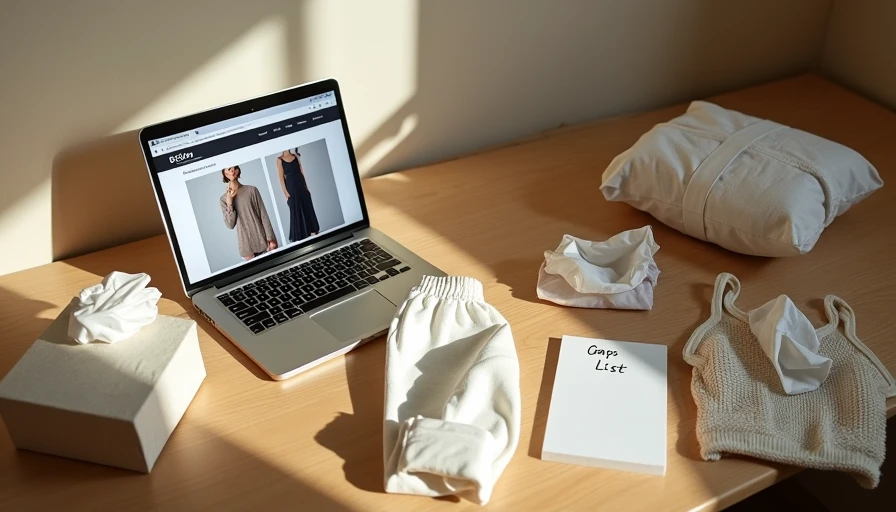
I keep a dedicated “Wardrobe Gaps” note on my phone. Only when I have a clear, specific need do I go looking. I open multiple tabs with different angles, read at least 15-20 reviews, and visualize the piece in my actual week.
My husband teases me about how analytical I’ve become, but he also appreciates that I return far fewer packages and actually wear what arrives.
The Emotional Cost of Bad Online Habits
Each regret purchase takes up physical space, mental energy, and money that could have gone toward something truly useful. Over time, these habits create closet overwhelm and that familiar “I have nothing to wear” feeling despite constant deliveries.
The women who feel most satisfied with their wardrobes aren’t necessarily shopping less—they’re shopping more intentionally.
Turning It Around Starting Today
Try these rules for your next online session:
Never shop when tired, bored, or emotional
Always check against your existing closet (take photos if needed)
Prioritize versatility and repeatability
Focus on quality over quantity in key categories
You don’t need to stop shopping online. You just need to stop letting algorithms and dopamine hits make decisions for you.
When you break these habits, online shopping becomes a powerful tool instead of a source of regret. Your closet becomes calmer, more cohesive, and genuinely useful.
The goal isn’t a perfect wardrobe. It’s one where most things you own get regular wear because they were chosen thoughtfully.
If you wouldn’t reach for it twice, it probably wasn’t worth the click. Let that guide your next online session.