What to Buy Cheap, What to Buy Better, and What to Stop Buying Altogether
Smart shopping guidance that respects every budget: exactly which wardrobe items are worth spending more on, which ones you can happily buy cheap, and the tempting categories you should skip to protect both your wallet and closet. Real advice from years of styling real women.
I still remember the exact moment I returned a $180 “investment” blouse that looked incredible in the store but pilled after two washes. My department store days taught me more about regret purchases than any fashion book ever could. That experience shaped how I now advise clients and shop for myself.
Shopping smart isn’t about spending the most or the least. It’s about knowing where money actually improves your daily life and where it quietly disappears. After years of helping women in Charlotte navigate racks, sales, and online carts, here’s my honest breakdown.
The Philosophy Behind Smart Spending
The goal isn’t a more expensive wardrobe. It’s a more useful one.
I’ve seen women drop serious money on trendy pieces that fall apart or go out of style, while skimping on basics that could have carried them for years. The opposite happens too—cheap basics that look tired after three wears, making everything else in the outfit suffer.
My guiding question for every purchase: Will I reach for this twice? If the honest answer is no, we walk away.
Buy Cheap (Without Guilt)
These categories are perfect for lower price points because they either trend more often, get heavy seasonal use, or don’t require premium construction.
T-shirts, tanks, and basic tees
Go for packs of well-fitting cotton or cotton-blend options. Look for good necklines that hold their shape. You don’t need luxury for something washed weekly.
Casual jeans under $60
Straight or wide-leg in dark indigo or black. As long as the rise and leg shape suit your body, mid-range options perform surprisingly well for everyday wear.
Lightweight scarves, belts, and hair accessories
These are easy wins at affordable prices. A $15 silk-like scarf can elevate an entire outfit.
Seasonal trend pieces you’re unsure about
Test a micro-trend in a cheap version first. If you love it after a month, consider upgrading.
Workouts or messy-task clothes
No need for premium activewear if it’s just for walking the dog or gardening.
The key? Buy cheap consciously. Know these pieces have shorter lifespans and shop accordingly.
Buy Better (Worth the Investment)
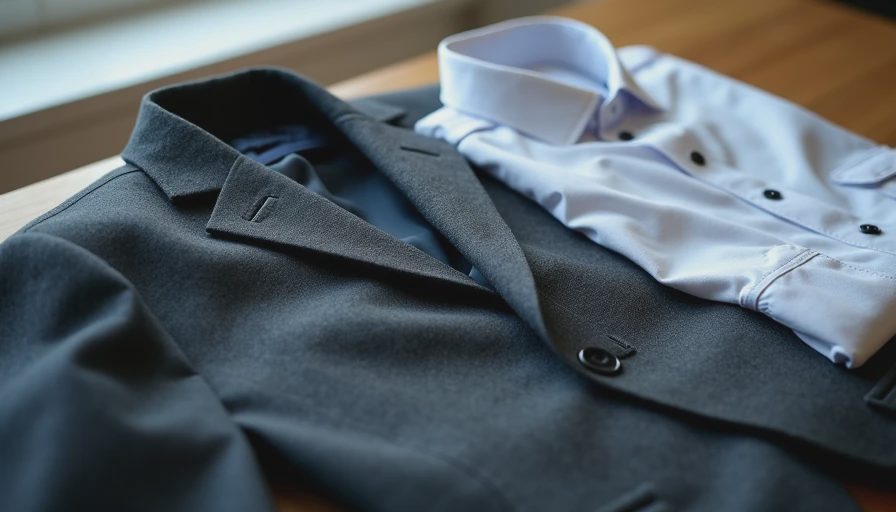
These are the pieces where better materials, construction, and fit dramatically improve how often you wear them and how good you feel.
Blazers and structured jackets
This is my number one “buy better” recommendation. A well-made blazer with good shoulder construction and proper lining changes your posture and entire silhouette. I still wear my charcoal wool blend from three years ago.
Good trousers and skirts
Look for proper waistbands, quality zippers, and fabrics with some weight. These anchor outfits. Cheap versions often bag out at the knees or sit weirdly after sitting.
Leather goods
Shoes, bags, and belts. Real or high-quality faux leather that doesn’t crease horribly within weeks. A solid pair of loafers or Chelsea boots you can walk in all day is worth stretching the budget.
Coats and outerwear
You wear these in all weather. Cheap coats lose shape fast. A good wool coat or versatile trench pays for itself in confidence and longevity.
White button-down shirts
A truly great one—with the right collar, sleeve length, and fabric that doesn’t wrinkle into a mess—becomes your secret weapon.
Why these categories? They get constant use, need to move well with your body, and benefit most from better fabric and construction. One excellent blazer unlocks dozens of outfits. That’s real value.
Stop Buying Altogether (The Regret Hall of Fame)
These are the items I gently steer clients away from in fitting rooms.
Super-cheap fast fashion that mimics designer details
The $29 “designer dupe” blazer that pills, twists, and loses shape after one wear. It ends up costing more in replacements.
Too many statement prints or loud colors you don’t wear
That leopard coat might be fun in the dressing room, but if it doesn’t mix with your actual wardrobe, it becomes expensive decor.
Low-rise anything (for most women over 30)
Unless you specifically love it and it flatters your body, it usually creates proportion issues and discomfort.
Trendy “it” bags in bright colors or extreme shapes
They date fast and rarely get consistent use. Stick to neutral, versatile shapes.
Anything that only works in perfect lighting or with perfect styling
If it needs Spanx, specific undergarments, or constant adjusting, it’s probably not earning its keep.
The “I’ll wear it when I lose 10 pounds” pieces
Be honest with your current body. Style should support you now.
How I Shop Now (Real-Life System)
I keep a running list in my notes app of true gaps—not wants. Before any purchase I ask:
What existing pieces will this work with?
Does it solve a real problem in my week?
Will the quality match how often I’ll wear it?
My husband, who designs landscapes and appreciates thoughtful systems, teases me about this analytical approach. But he notices when I look consistently put-together without constant shopping.
Last season I invested in a perfect camel blazer and skipped three trendy tops. That single blazer has been worn over 40 times already. Math that makes sense.
The Emotional Side of Shopping
I get it. Shopping feels good. It’s hopeful. It’s creative. But those little dopamine hits from “almost right” purchases add up to closet chaos and decision fatigue.
The women who feel most confident in their style aren’t necessarily the ones who spend the most. They’re the ones who edit better and buy more intentionally.
You don’t need a new wardrobe. You need sharper editing—and smarter shopping habits.
Start Small This Week
Look at your last five purchases. Which ones are you actually reaching for? Use that data to guide your next shopping trip.
Focus on filling real gaps with the right quality level. Your future self (and your mornings) will thank you.
Style isn’t about accumulation. It’s about curation. When you buy cheap where it makes sense, buy better where it counts, and stop buying the things that never quite work, your closet finally starts working for you instead of against you.
And that, more than any single item, is what makes getting dressed feel easier and more beautiful every single day.