Where I'd Save, Splurge, and Stay Suspicious in 2026 Women's Fashion
My honest 2026 shopping guide: exactly where I’d save money without guilt, where I’d happily splurge for longevity, and which trends or categories I’d approach with caution. Practical advice to help you spend smarter and build a wardrobe that lasts.
Every year the fashion landscape shifts, but the core principles stay the same: buy less, choose better, and know exactly where your money works hardest. As someone who’s styled real women across the Carolinas and watched thousands of pieces move from rack to closet to donation bin, I’ve refined my personal rules for 2026.
Here’s my current take on where I’d save, where I’d splurge, and where I’d stay very suspicious.
Where I’d Save (Without Sacrificing Quality of Life)
These categories have excellent affordable options that perform well for real life.
Basic Tees, Tanks, and Lightweight Tops
Unbranded or mid-tier brands often deliver soft, durable cotton-blends that wash beautifully. I happily buy these in multiples under $25–35. No need to pay premium for something washed weekly.
Casual Jeans and Everyday Pants
Great straight or wide-leg options exist between $40–80. As long as the rise, fit, and wash suit your body, you don’t need to spend triple digits for daily wear.
Seasonal Accessories
Scarves, belts, hair clips, and lightweight jewelry. Trendy or fun pieces in these categories don’t need to be investment level.
Active or Errand Wear
Leggings, hoodies, and comfortable pieces for walking the dog or running errands. Plenty of solid options that don’t need to cost a fortune.
Test-Run Trend Pieces
If I’m curious about a softer trend, I’ll buy a cheap version first to test real-life wearability before committing to better quality.
Where I’d Splurge (Worth Every Penny)
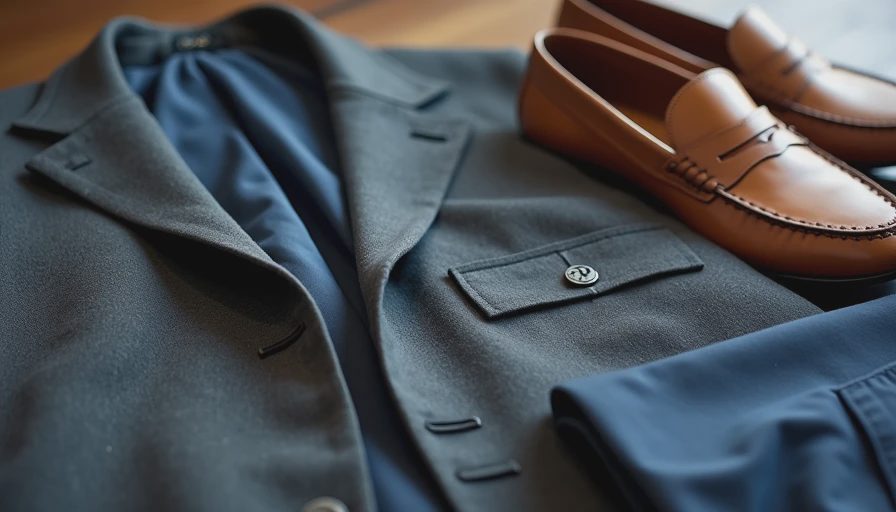
These are the pieces where better materials, construction, and fit dramatically increase how often and how confidently I wear them.
Structured Blazers and Jackets
This remains my #1 splurge category in 2026. A well-made blazer with proper shoulders, good lining, and quality fabric gets worn constantly and makes everything else look more expensive. I’ll invest in timeless colors like charcoal, camel, or navy.
Good Trousers and Midi Skirts
Proper waistbands, quality zippers, and fabrics with drape and weight make these anchor pieces. Cheap versions often bag, wrinkle, or lose shape quickly.
Leather (or High-Quality Faux) Shoes and Bags
Especially everyday loafers, Chelsea boots, and a versatile tote or crossbody. These get heavy use and develop beautiful character when made well.
Coats and Outerwear
You live in these pieces. A good wool coat or versatile trench pays for itself in years of wear and daily confidence.
Exceptional Button-Downs and Knits
A truly great white or off-white shirt with the perfect collar and sleeve length becomes a wardrobe hero. Same for fine-gauge neutral sweaters that hold their shape.
Why these? They solve real problems, get maximum wear, and elevate your entire wardrobe.
Where I’d Stay Suspicious in 2026
Some things I’m approaching with extra caution this year:
Extreme “Quiet Luxury” Dupes
Many pieces trying too hard to look expensive end up looking generic or cheap in real life. I prefer honest, well-made basics over obvious logo-less attempts at looking rich.
Micro-Trend Statement Pieces
Bold colors, dramatic silhouettes, or heavily embellished items that will feel dated quickly. I’d rather invest in better versions of classics.
Very Low-Rise or Ultra-Trendy Cuts
Unless you specifically love and can wear them well, most women in their 30s are happier with flattering mid-to-high rises and balanced proportions.
Fast-Fashion “Sustainable” Collections
Greenwashing is rampant. If the price seems too good for the claimed materials and ethics, I dig deeper or skip it.
Anything That Requires Perfect Styling
If the product images need specific lighting, body type, or five other pieces to look good, it probably won’t earn repeat wear in real life.
My 2026 Shopping Framework
Before any purchase I now ask:
Will this solve a real gap or just create temporary excitement?
Does the quality match how often I’ll actually wear it?
Will it work with at least 4–5 existing pieces in my closet?
Would I still want it if it wasn’t on sale?
My husband often watches me run these mental checklists and jokes that I approach shopping like he approaches landscape design — thoughtful and intentional. He’s not wrong.
The Bigger Picture
In 2026, the smartest thing you can do is buy fewer things that are more right. Save where it makes sense. Splurge where it counts. Stay suspicious of anything promising easy transformation.
The women who look most consistently polished aren’t necessarily spending the most. They’re making sharper decisions about where their money goes.
You don’t need a new wardrobe every season. You need sharper judgment and better alignment between what you buy and how you actually live.
If you wouldn’t reach for it twice, it probably wasn’t worth the investment — whether it’s cheap or expensive. That principle still guides everything.
Here’s to building wardrobes in 2026 that feel calm, useful, and genuinely exciting because everything in them earns its place.