
Scarf Styling Techniques for Both Warmth and Polish
Master scarf styling techniques for both warmth and polish this season. Learn simple knots, layering tips, and how to choose the best scarf for a...
A scarf is one of those rare accessories that can do double duty: keep you warm and make you look instantly more put-together. But not everyone knows how to style one without ending up with a bulky mess or a scarf that slips off by midday. If you’ve ever stood in front of the mirror, scarf in hand, wondering how to make it work, you’re not alone. The good news is that a few simple **scarf styling techniques for both warmth and polish** can transform your winter wardrobe without adding a single new piece. Whether you’re heading to the office, running errands, or meeting friends for coffee, these methods will keep you cozy and chic.
Why a Scarf is a Wardrobe Workhorse
A well-chosen scarf is one of the most versatile items you own. It adds color, texture, and warmth to any outfit, and it can change the entire feel of a coat or sweater. The key is knowing how to tie and layer it so that it complements your proportions and doesn’t compete with your other layers. With the right **scarf styling techniques for both warmth and polish**, you can turn a basic jacket into a statement piece and keep your neck warm without feeling suffocated. The trick is to balance function with form—something that’s easier than you think.
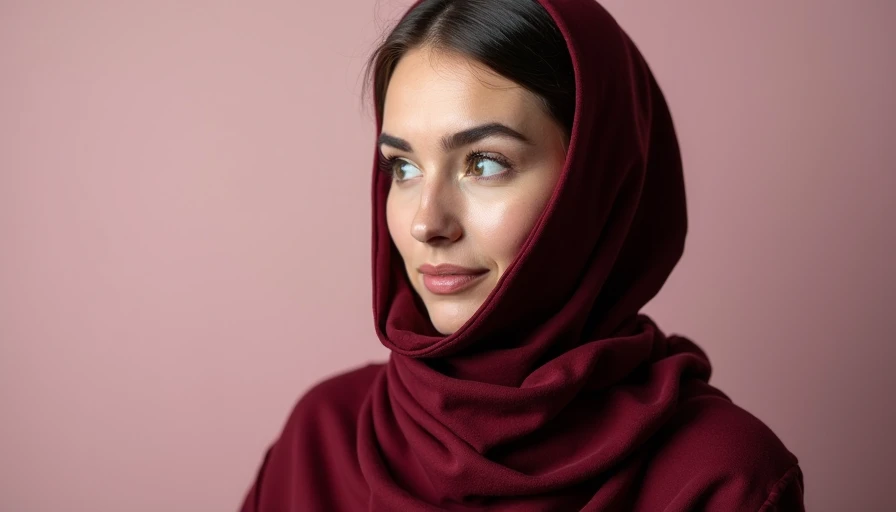
The Classic Drape: Effortless and Polished
The most straightforward technique is the classic drape. Simply fold the scarf in half lengthwise, drape it around your neck, and pull the loose ends through the loop. This creates a neat, snug fit that stays in place. It works best with medium-weight scarves—think cashmere, merino wool, or a soft acrylic blend. This method is ideal for a polished look because it creates a clean line that doesn’t add bulk under a coat. It’s also a great choice for tall women or those with longer necks, as it draws the eye upward. If you want to add a little polish, choose a scarf in a solid color that contrasts with your coat. For example, a cream scarf over a navy coat instantly looks more intentional.
The French Knot: Chic and Secure
For a scarf that stays put all day, the French knot is a lifesaver. Start by draping the scarf around your neck with both ends hanging in front. Tie a loose knot on one side, then slip the other end through the knot and tighten. This technique creates a sophisticated, balanced look that’s perfect for a workday. It works especially well with longer scarves in silk or lightweight wool. The French knot adds a touch of polish without any fuss, and it’s one of the **scarf styling techniques for both warmth and polish** that requires zero effort once you’ve practiced it twice. You can also adjust how high or low the knot sits to flatter your face shape.
The Loop-Through: Casual Warmth Without the Bulk
Sometimes you want warmth without the weight. The loop-through is your answer. Fold the scarf in half, place it around your neck, and pull both ends through the loop, but don’t tighten all the way. Leave a little space between the scarf and your neck for a relaxed, effortless vibe. This technique is ideal with chunky knit scarves or blanket-style wraps. It works well with turtlenecks and crewneck sweaters, adding texture without overwhelming your frame. If you’re petite, be careful not to choose a scarf so thick that it swallows you. A lighter-weight knit or a brushed acrylic will give you warmth and polish without the bulk.
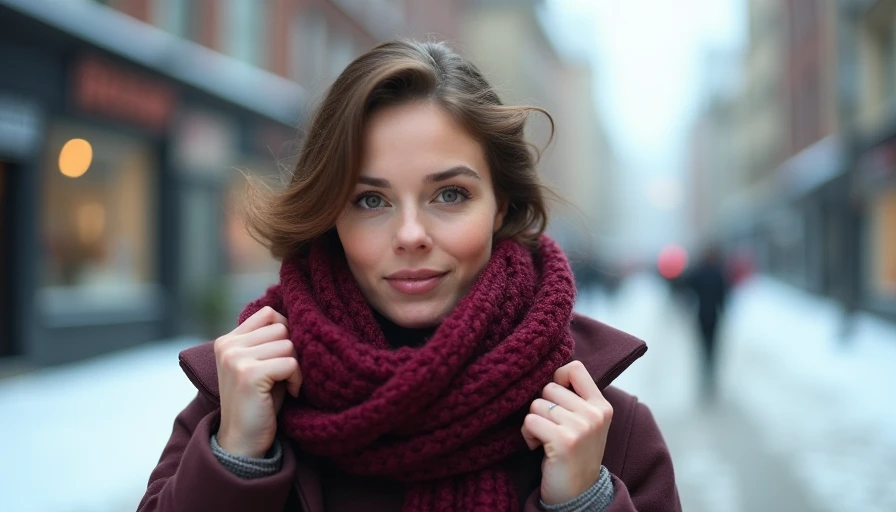
Layering Scarves with Coats and Jackets
One of the most practical **scarf styling techniques for both warmth and polish** is learning how to layer a scarf with your outerwear. The scarf should complement, not fight, your coat or jacket. For tailored coats, stick with a slim scarf and a simple knot or drape. For puffer jackets or parkas, you can go bigger—think an oversized wrap or infinity scarf that fills the neckline. If your coat has a high collar or a fur trim, skip the scarf altogether or use a lightweight silk version tied in a small knot. The goal is to maintain a clear neckline that doesn’t look cluttered. When in doubt, match the scarf’s weight to the coat’s weight: heavy with heavy, light with light.
Choosing Fabric for Both Warmth and Polish
Not all scarves are created equal. For true warmth, look for wool, cashmere, alpaca, or a high-quality acrylic blend. These materials trap heat without making you sweat. For polish, consider the finish: a smooth, dense knit looks more refined than a loose, chunky one. Silk or linen scarves are great for in-between seasons but won’t keep you warm in January. A cashmere-blend scarf in a neutral tone like camel, gray, or black is a wardrobe staple that works with almost anything. It’s worth investing in one good scarf that you’ll reach for again and again—remember, if you wouldn’t reach for it twice, it probably wasn’t worth buying.
Final Tips for a Polished Scarf Look
- Keep the ends even if you’re going for a balanced drape.
- Tuck the tails into your coat if they’re too long.
- Avoid scarves that are too wide—they add bulk and shorten your neck.
- If your scarf is wrinkled, steam it quickly before wearing.
- Practice each technique a few times until it feels natural.
Mastering **scarf styling techniques for both warmth and polish** doesn’t require a full wardrobe overhaul. With a few smart knots and the right fabric, you can elevate any cold-weather outfit. The next time you reach for a scarf, think about the look you want—and let the technique do the work.